
Tennessee knows how to build homes with character. From rustic cabins in the mountains to 1930s Craftsman houses in the suburbs, each has its own charm. Furnishing them can be both a delight and a challenge. Here, we’ll look at five common home styles and show how to furnish each with honesty and balance.
The Amish in Ohio and Indiana build solid wood furniture in Shaker, Mission, traditional, and mid-century modern styles. Their furniture fits homes of many kinds, from old cabins to modern mountain lodges. Each piece is made to last, showing the same skill and care that went into the homes themselves.
Historic and Rustic Cabins
The first homes in the Appalachian region were cabins—practical shelters built by hand. With notched log walls and stone foundations, they were made to last. Each builder left a personal mark, shaping a simple but lasting style.
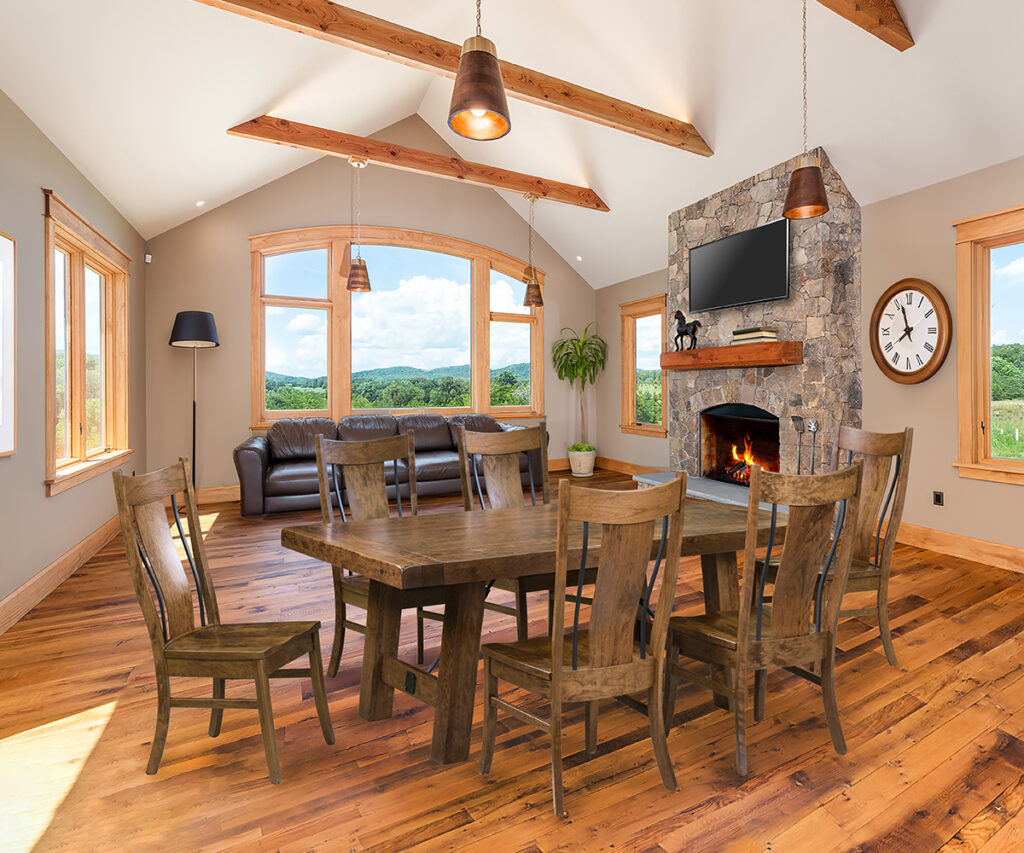
That same spirit pairs well with Shaker and Mission furniture, where form follows function. In a cabin, every piece should serve a purpose. Avoid fancy furniture and bring in natural textures and tones. People who lived in these homes valued simplicity and the beauty of the world around them.
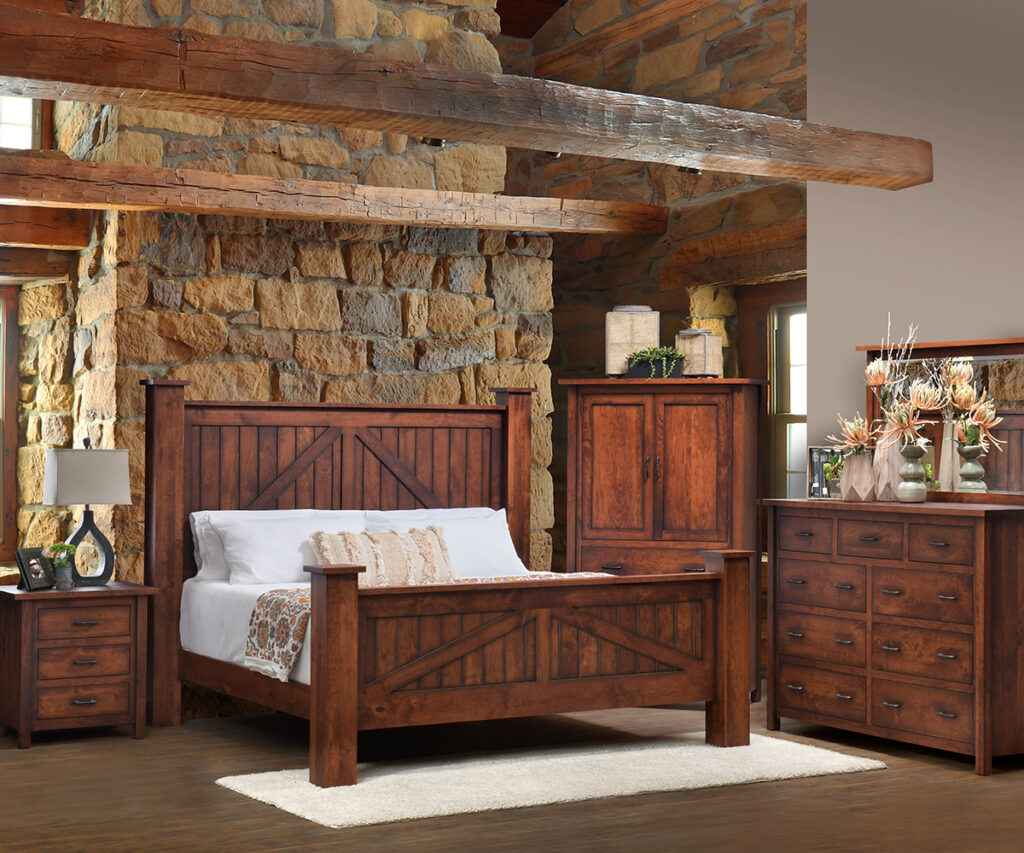
In the living room, choose comfort and integrity—sofas with exposed wood frames and visible grain, metal joinery, and simple inlays. In the kitchen, look for sturdy trestle or leg tables, showing saw marks or hand-finished edges. For bedrooms, use natural-stained or darker wood with modest lines. Mission pieces, with their honesty and clean design, fit well in this setting.
Farmhouse and Vernacular Houses
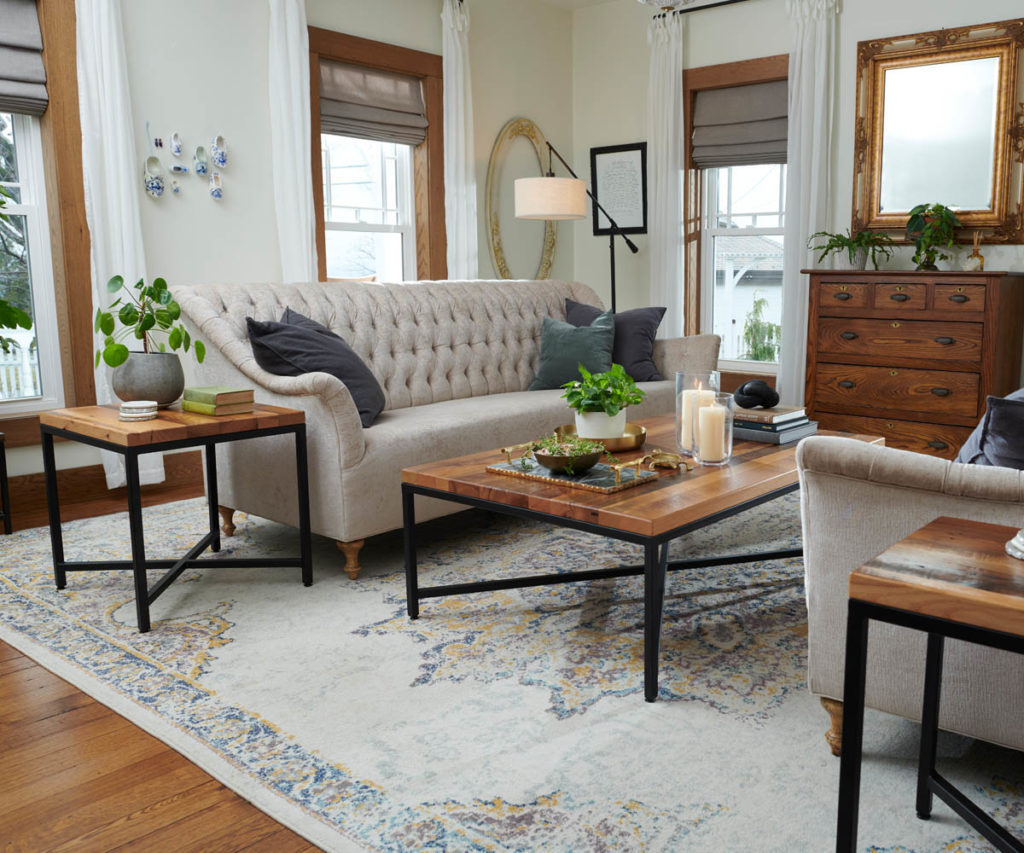
Scattered through rural Tennessee are farmhouses and vernacular homes. Both were built out of necessity, often using local materials and simple designs. They tend to be two-story homes with smaller rooms and a focus on family and practicality.
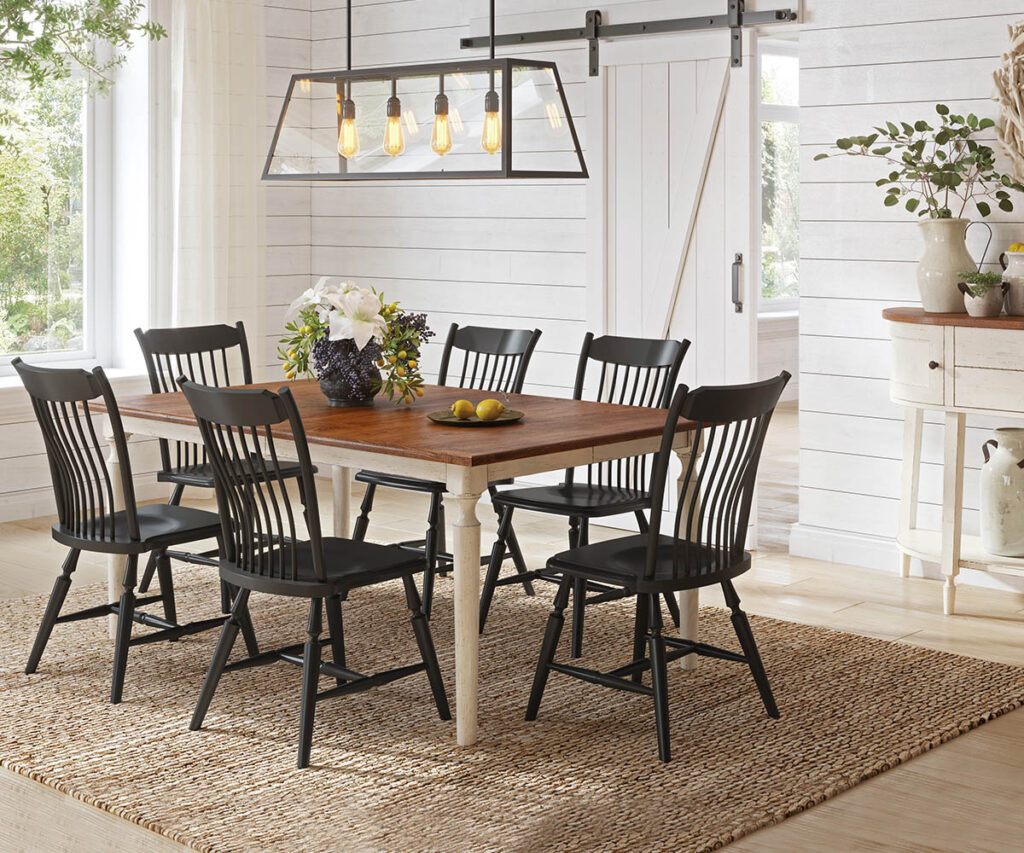
Mission and Shaker furniture suit these homes well, especially smaller pieces in natural tones. Use sturdy fabrics like linen or cotton. Let the space reflect family history with heirlooms or handmade items. These homes welcome rest after work, so choose overstuffed sofas and strong tables.
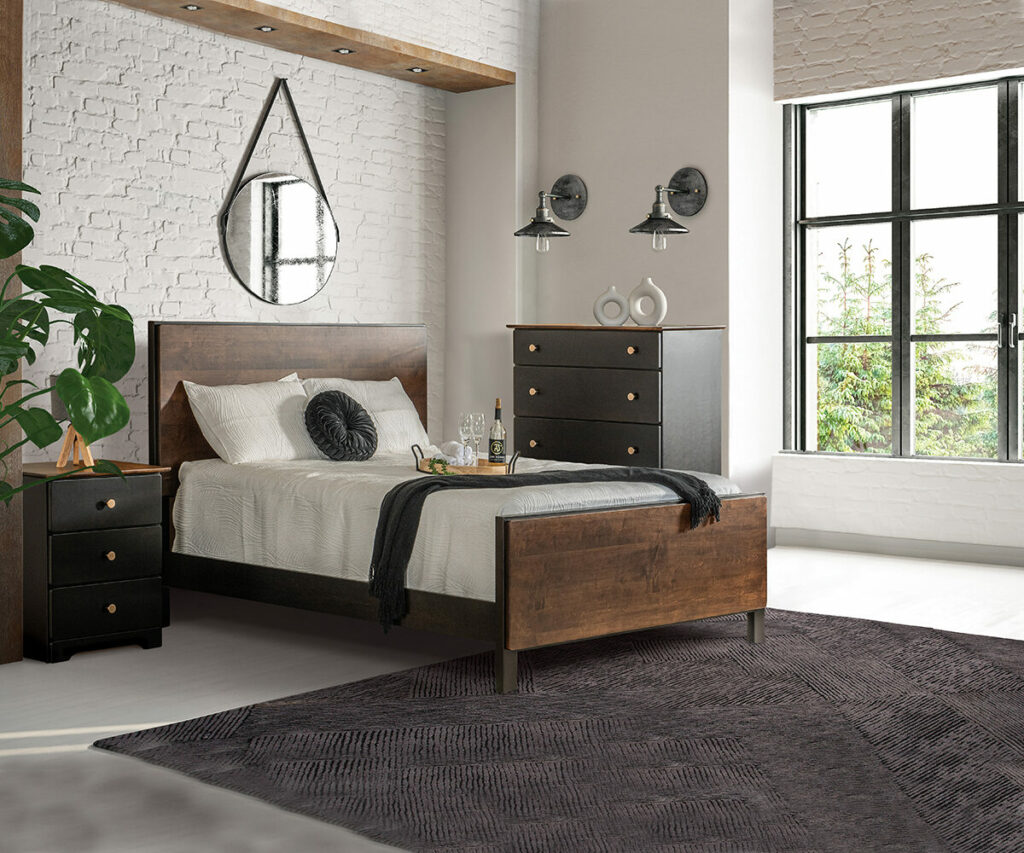
If you want an update, lean toward modern farmhouse style—tufted upholstery, black metal accents, and simple wood furniture. In bedrooms, a Shaker four-poster bed brings a classic touch. For a simpler look, try a two-toned set with plain knobs and tapered legs. Keep everything grounded in comfort and modest design.
Craftsman
In the early 1900s, designers like Gustav Stickley led the Arts and Crafts movement, which rejected the ornate style of the Victorian era. Craftsman homes from that period feature natural wood, exposed beams, and built-in furniture.
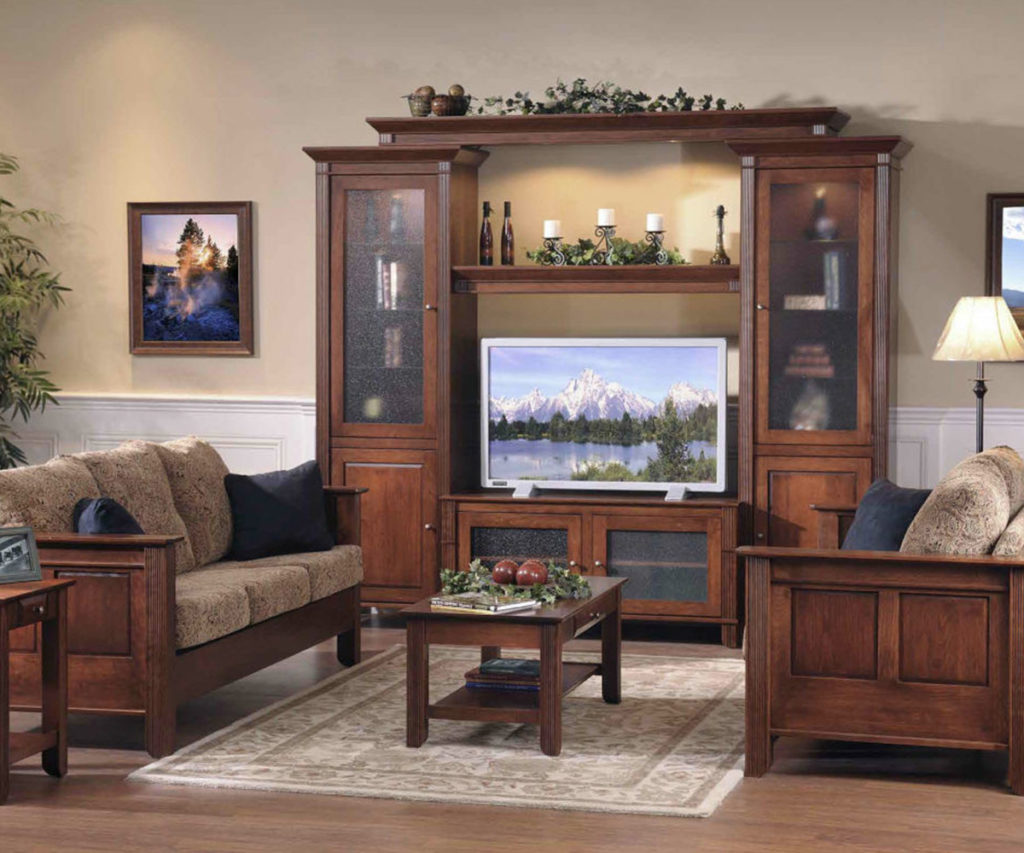
These homes often have smaller rooms, so choose furniture that is sturdy and multi-purpose. Avoid painted finishes; instead, pick pieces that highlight the wood grain or leather seating. Mission furniture works well, especially with square shapes and visible joinery.
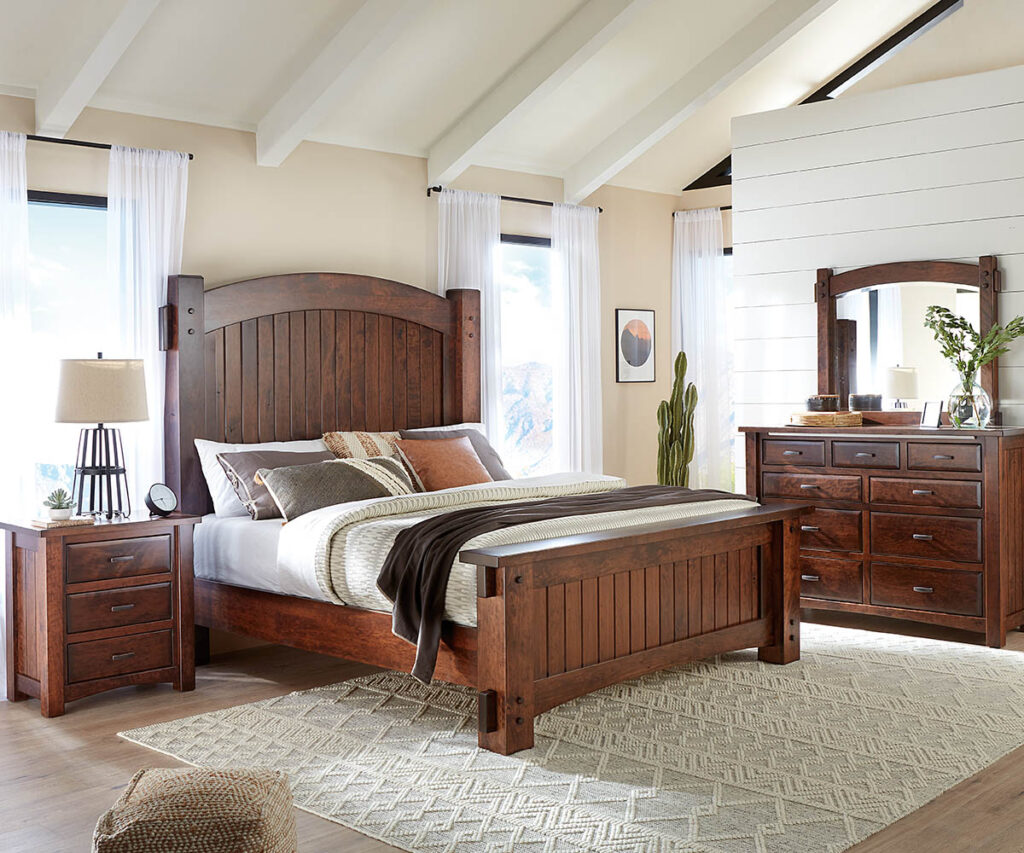
In bedrooms, look for sets that show craftsmanship through exposed joints or distinct wood patterns. In dining rooms, a trestle table or oak top with a metal base blends classic and modern looks. A Craftsman home can lean casual or elegant, depending on how you furnish it.
Colonial and Tudor Revival Homes
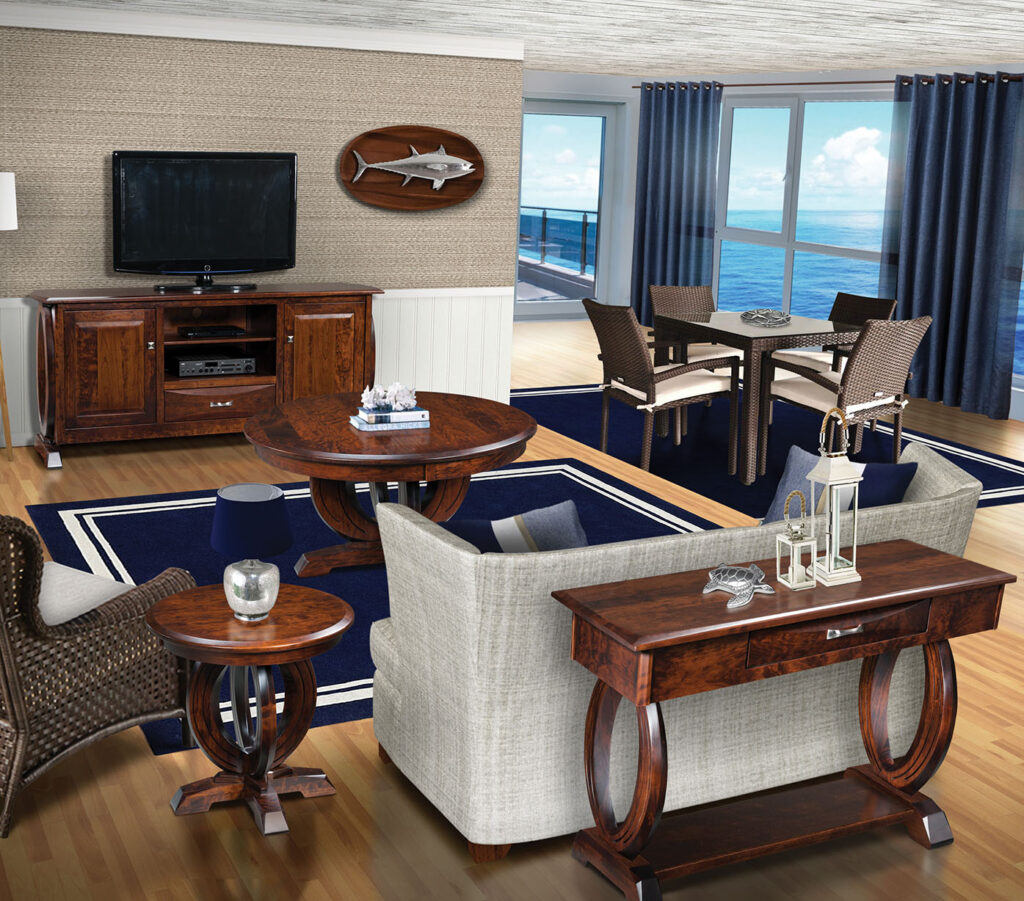
Centuries after the first cabins, builders looked to Europe for ideas. Tudor Revival homes recall 1600s England, with steep roofs, half-timbered walls, and stone accents. Inside, you’ll find heavy beams, large fireplaces, and a sense of history.
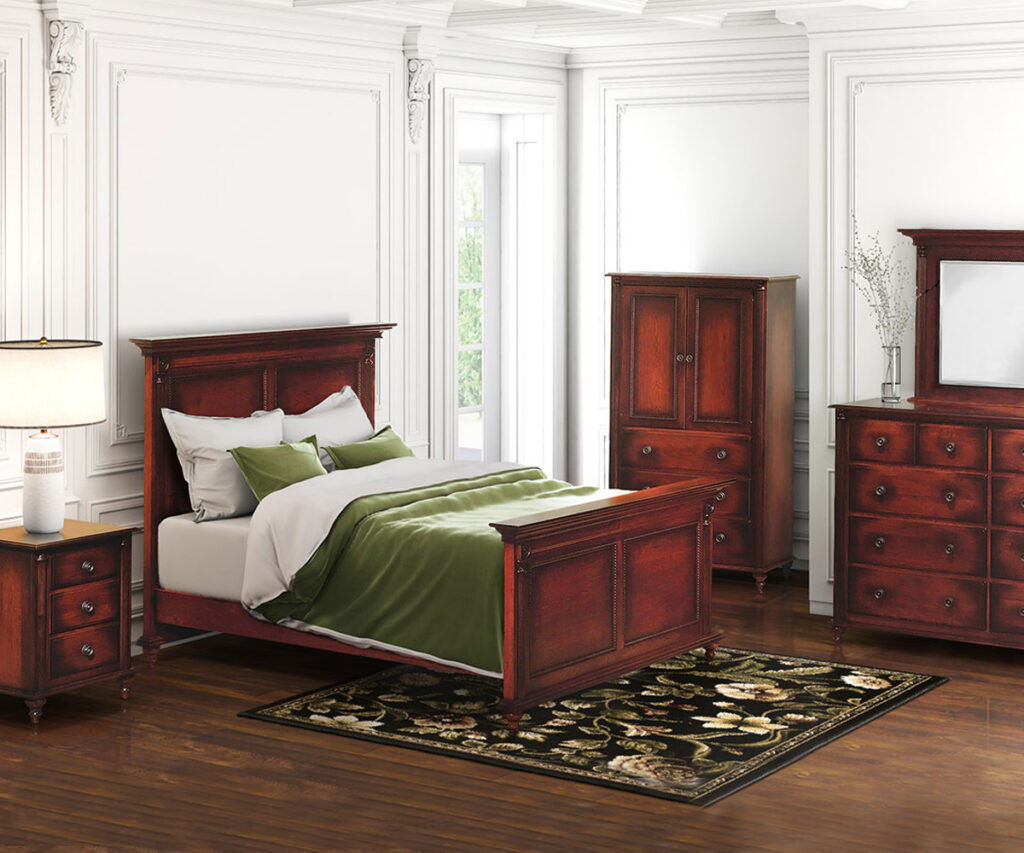
Colonial Revival homes look to early America for balance and symmetry. Their furniture is lighter and more refined, showing a simpler take on European tradition. Both styles pair well with Amish furniture that values structure and proportion.
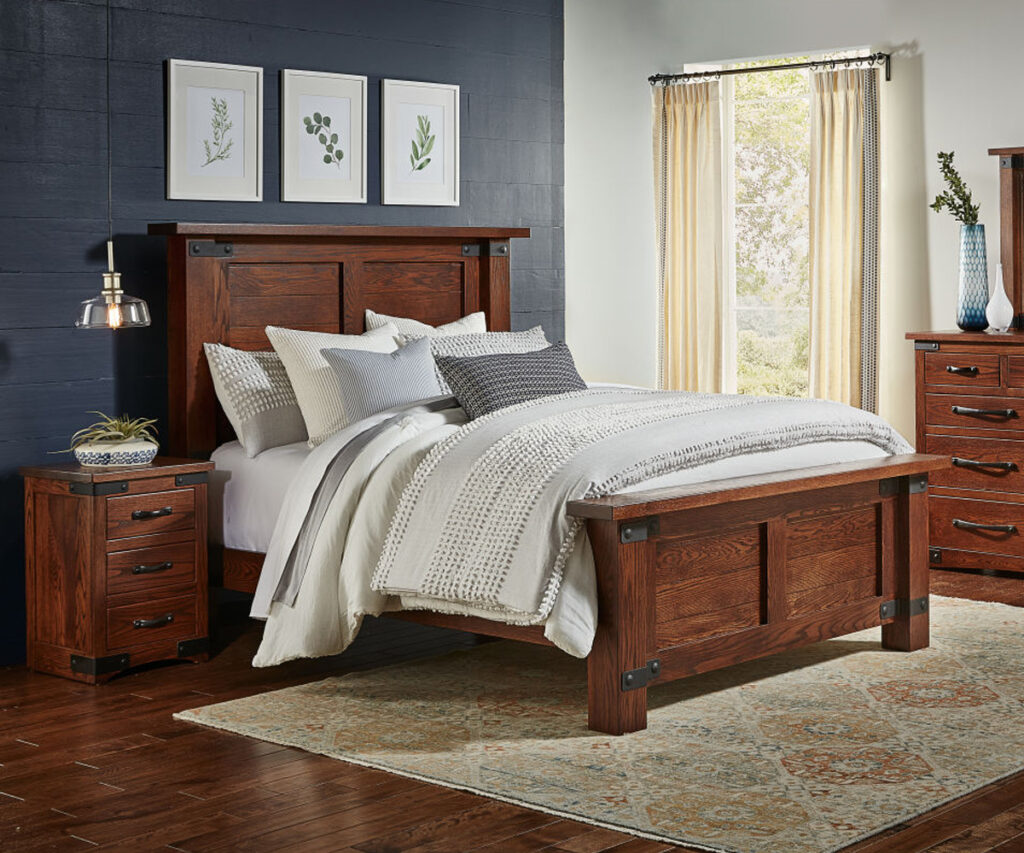
In living rooms, Colonial homes look best with polished wood and smooth, curved lines. Tudor homes work well with darker tones and iron accents. In dining rooms, Colonial furniture should be lighter, while Tudor furniture can be heavier with simple modern details. For bedrooms, Colonial headboards may feature thin inlays and gentle curves; Tudor designs use thicker wood and exposed metal joinery.
Mountain Lodges
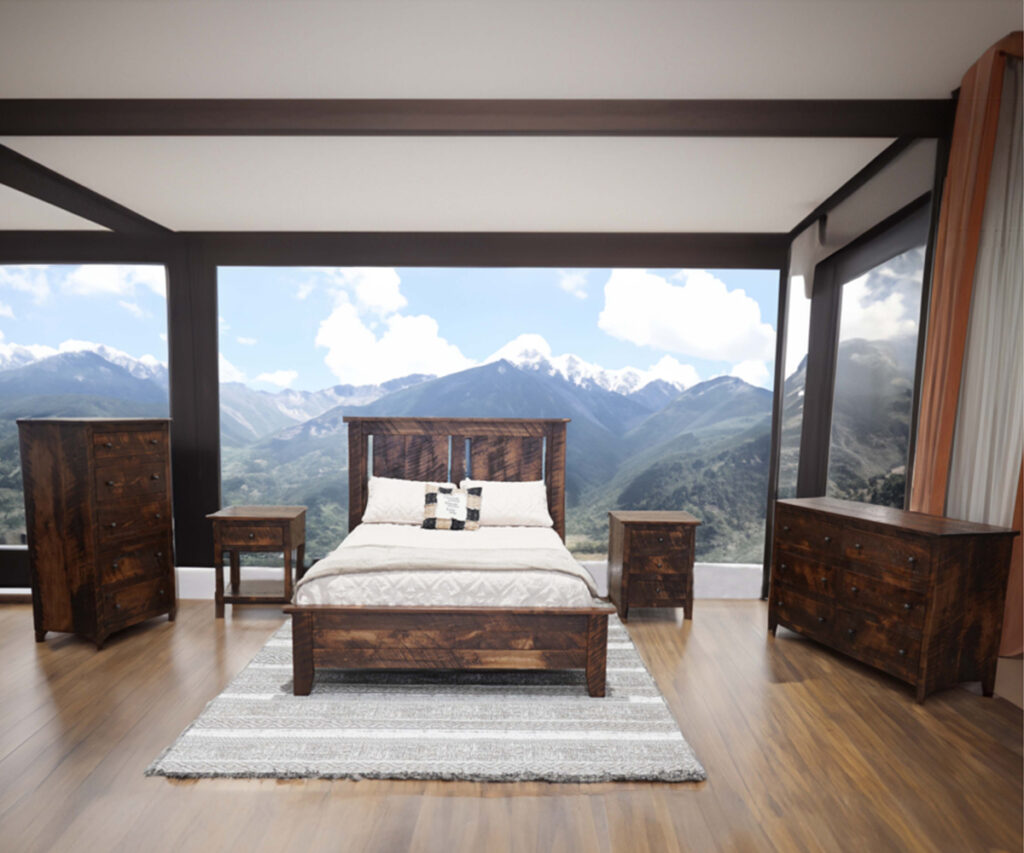
Mountain lodges today blend rustic and modern styles. They use stone, concrete, and wood with clean lines and open layouts. Broad windows bring in natural light and connect the home to the landscape. Every detail feels deliberate, keeping focus on the view.
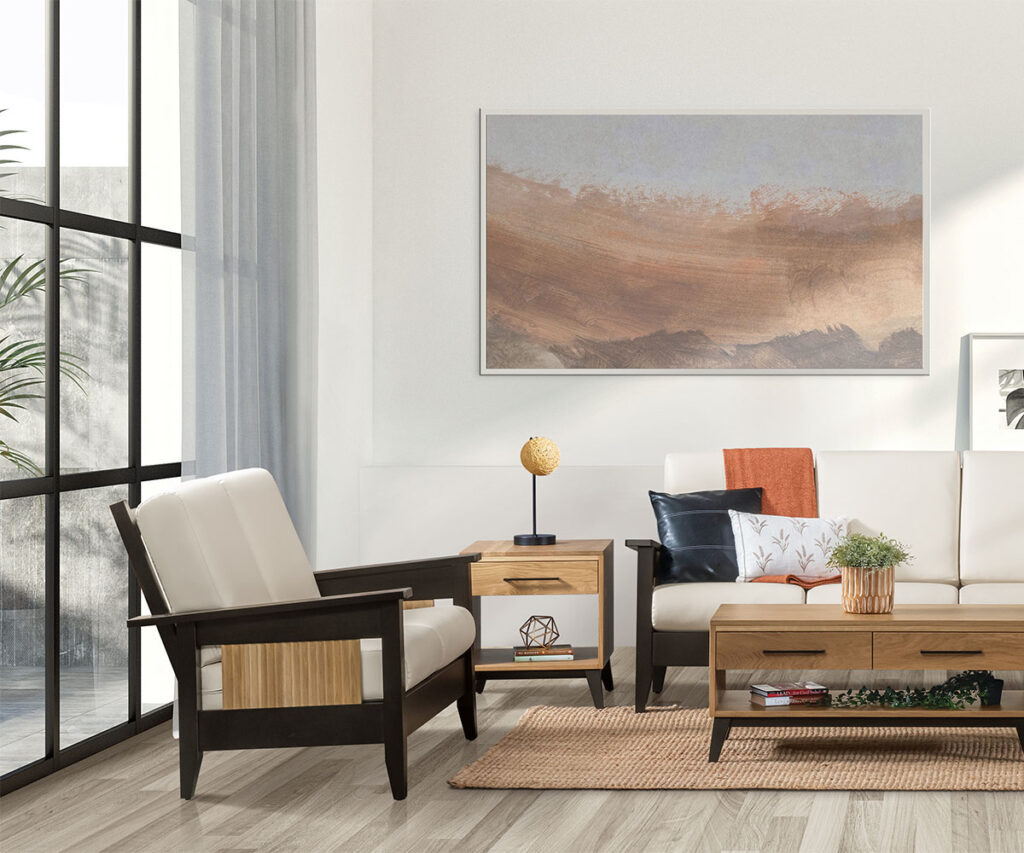
These homes are retreats, not workplaces. They offer peace and simplicity—a chance to rest in nature. Their style is quiet and open, relying on texture and proportion rather than decoration.
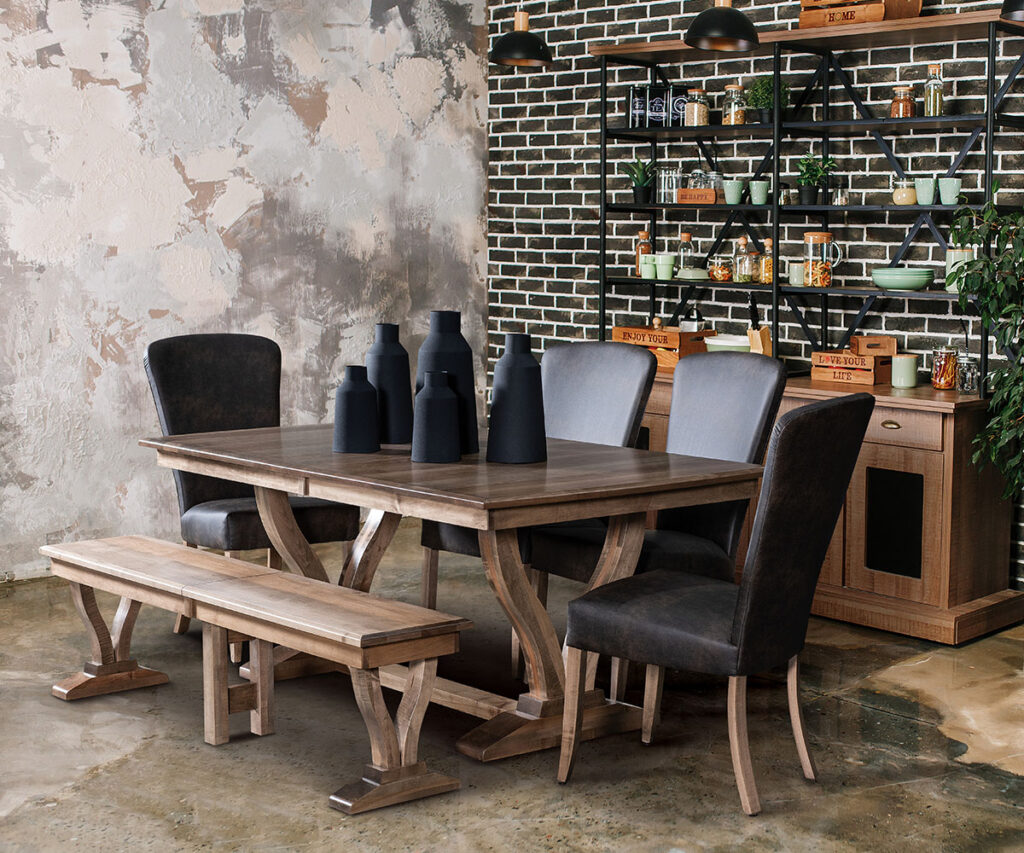
When furnishing, mix rustic and modern elements. Combine black metal with rough-hewn wood, glass with matte finishes, or mid-century lines with natural materials. Each piece should have room to stand out. In living areas, choose simple modern shapes without losing comfort. In dining spaces, try contrasting tables and leather chairs. Bedrooms can vary—gray maple in one, natural oak in another—each designed to feel calm and welcoming.
Conclusion
No matter the style of your home, the same rule applies: buy less, but buy well. Pick furniture that serves a purpose, fits the space, and will last. Keep the focus on comfort, proportion, and craftsmanship. Over time, each room will tell its own story—steady, useful, and built to endure.